Padel Rules: Scoring, Serving, and Key Points Explained
This guide explains padel for beginners: how points are scored, how the serve works, and which basic terms you will hear on court. It describes general play and points you to official rulebooks for the full text.
Basic Padel Rules: Scoring and Serving
Padel is usually played as doubles on an enclosed court. Points are scored in the same game sequence as tennis, with games and sets, and a point is won when the opposing pair cannot return the ball in play.
The serve is made underhand, below the waist, and the ball must land in the opposite service box. Many casual games let the ball bounce off the walls after it lands, which is a key difference from tennis.
Key Padel Terms
Bandeja and vibora
Two common overhead and sideways shots that players use to control the net area. Learn the names as you learn the technique.
Golden point
At deuce, many formats play a single decisive point instead of two more points. Check the format of your event.
Wall play
Balls can rebound off the walls. Learning when to let the ball come back is part of the game.
The Court and Equipment: What You Need
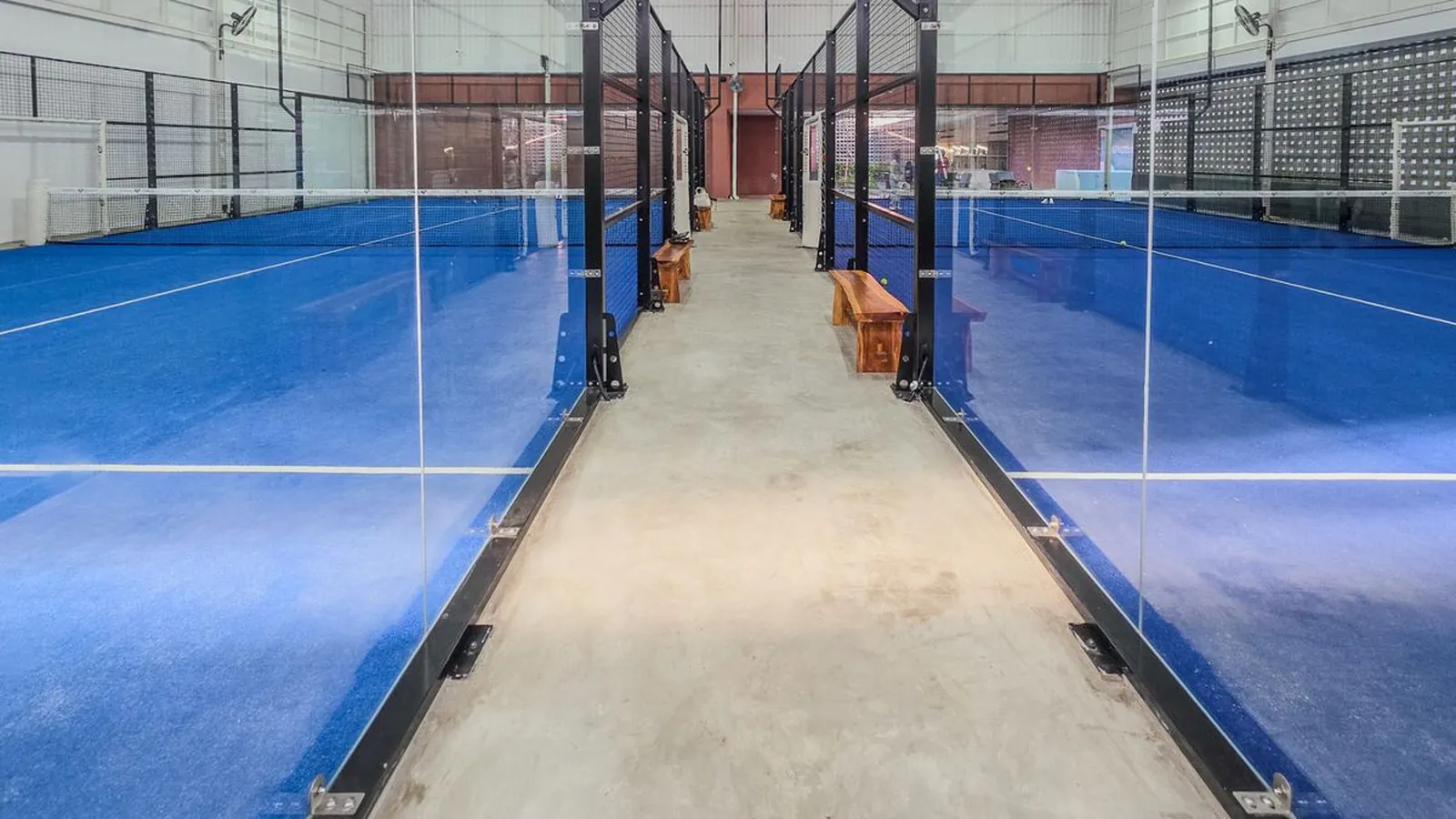
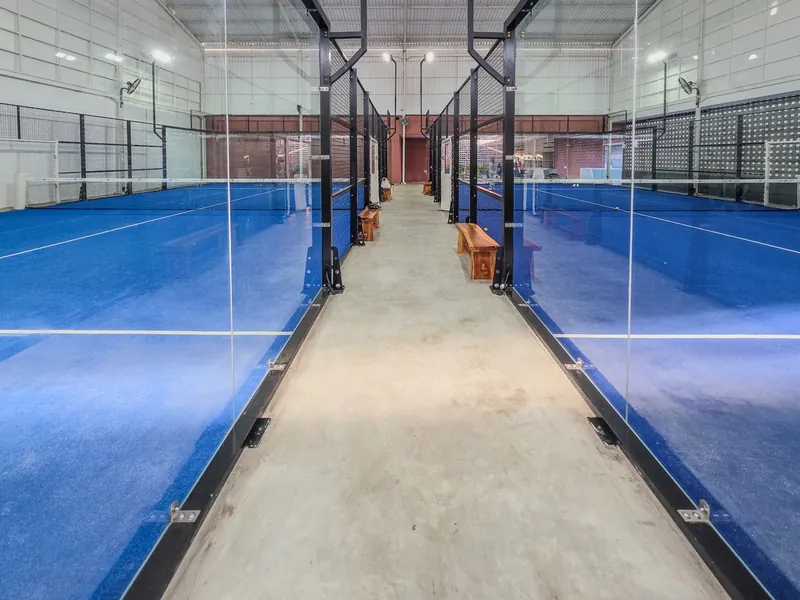
A standard padel court is about 20 by 10 meters, with walls at the back and sides and a net across the middle. Players use solid rackets without strings and pressurized balls.
You need court shoes with non-marking soles, comfortable clothing and a racket suited to your grip size. Balls are usually provided at venues, but check first.
Key Differences Between Padel and Tennis
Padel courts are smaller and enclosed, so the ball often stays in play off the walls. Rackets are solid and the serve is underhand, which changes how rallies develop.
Padel rewards positioning at the net and communication with a partner. Tennis experience helps with footwork, but the wall play and scoring details are different enough to learn separately.
Common Mistakes Beginners Make
Many beginners move too far from the net, let the ball bounce too early or forget to talk to their partner. Each of these mistakes costs points quickly.
Practice the serve and the first volley, keep your feet active and call the ball when it is clear. Small habits improve your game faster than new shots.
Official Rules vs Casual Play
Official rules set the court, scoring and equipment requirements for sanctioned competition. Casual play at a venue often adapts these details, for example in how walls are used or how long a game lasts.
If you play in a tournament or league, follow the rules of that event. In open play, ask the staff which version applies on their courts.
Where to Find Official Rulebooks
Official rulebooks are published by the international and national padel federations. Use the federation's own website to confirm the current text, since rules can change between seasons.
We do not reproduce the full rulebook here. This page explains the basics so you can start, and the official document is the reference for competition.
Frequently Asked Questions
- How is padel scoring different from tennis?
- Padel uses the same game and set structure as tennis, but the walls keep the ball in play and the serve is underhand. Check your event's format for any changes.
- Can the ball bounce twice in padel?
- In padel the ball may be played after one bounce, and it can also be played off the walls. A second bounce on the floor ends the point in every format.
- What is the golden point rule in padel?
- In some formats, a deuce is decided by one decisive point instead of advantage. Confirm which format a tournament uses before you play.
Site Sections
How We Choose
The rules here are simplified for beginners. We point to official sources for competition and for any detail that may have changed.
- Indoor or covered courts, so weather matters less.
- Clear, public information on hours and access, confirmed with the venue before you go.
- Programs that suit both beginners and experienced players.
- Prices are left out unless they have been checked against a public source.
- No ratings, quotes or testimonials are attributed to real people.