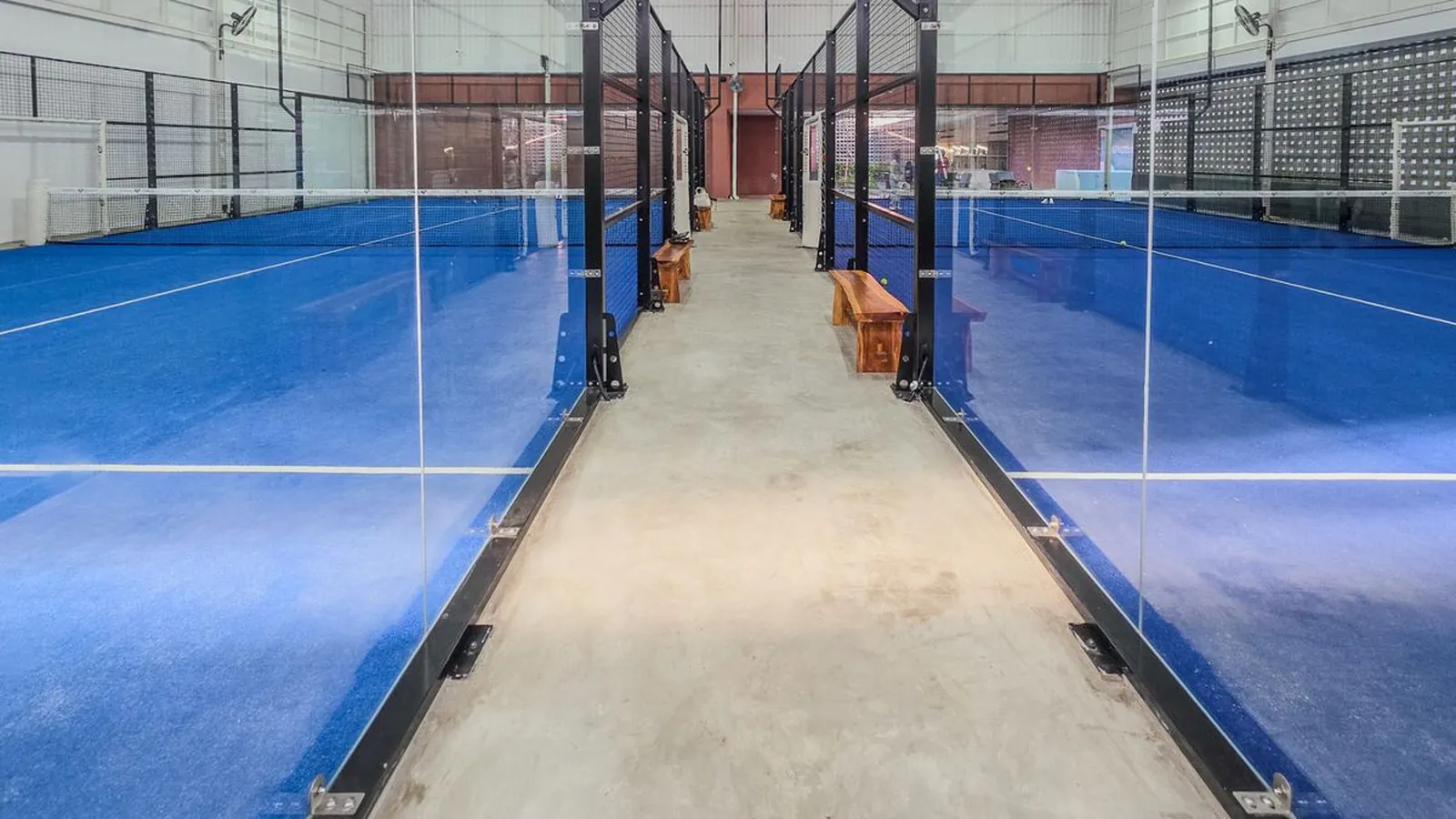
Pickleball Courts San Antonio: Indoor Padel & Pickleball Picks
Independent picks for indoor padel and pickleball courts in San Diego and San Antonio. Each section explains what to look for, which player each format suits, and how the season changes the choice.
Choosing by Occasion
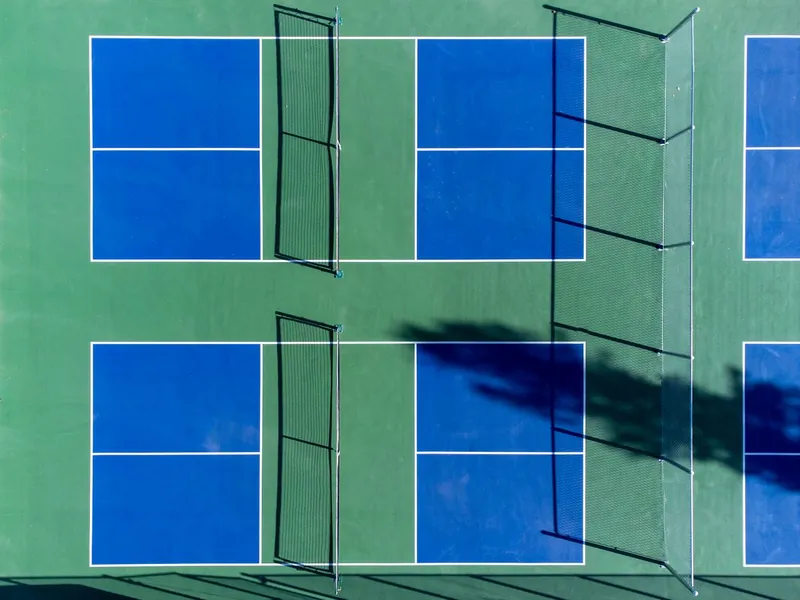
First racket and first visit
Start with a short session, ask staff about beginner-friendly times, and find out whether rackets or balls are provided.

Group outing with friends
Choose courts with open play or flexible doubles schedules, and agree on a level before you arrive.
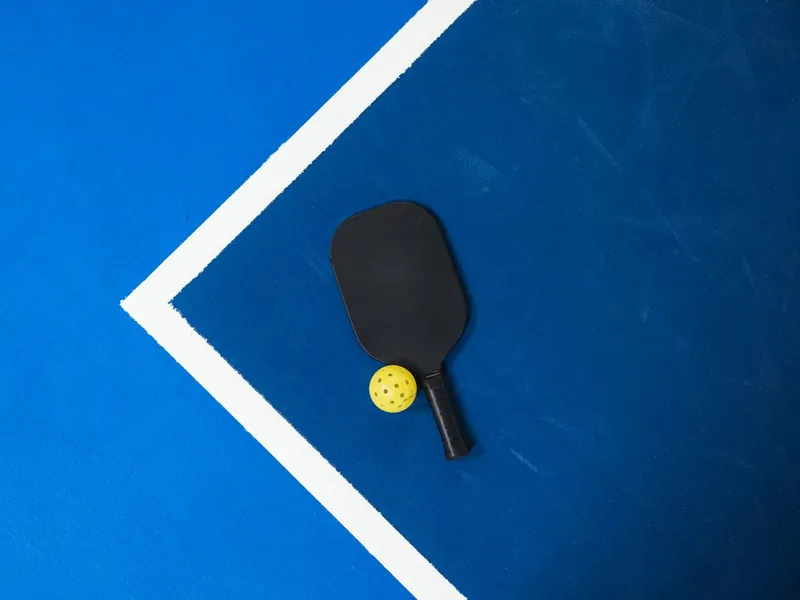
Training session
Look for drills, coached sessions and a surface that suits your footwork.
Weekend tournament day
Check the match format, warm-up access and how much time you have between matches.

Family outing
Pick a venue with clear family rules, spectator space and a relaxed open-play option.
Summer camp week
Compare the daily structure, supervision and whether equipment is included.
Winter league practice
Covered courts keep play going when outdoor conditions are poor.

Rainy-day indoor play
Covered courts take weather out of the decision, so focus on schedule and skill level.
What to Look for in Indoor Padel in San Diego
San Diego players look for indoor padel courts that stay playable through the year. Covered or enclosed courts reduce the effect of rain and wind, and glass walls with good lighting make rallies easier to follow for newcomers.
We do not name individual venues on this page, because court status, opening hours and programs change over time. Before you travel, confirm that a court is open, check whether it is indoor, and ask which programs are running this month.
What to Look for in Pickleball Courts in San Antonio
In San Antonio, the most useful pickleball courts have clear lines, enough space for a full doubles rotation and reliable lighting. Indoor and climate-controlled options are helpful during hot summers and cooler winter evenings.
Public and private courts follow different access rules. Some require a membership, while others allow drop-in play. Read the access terms on each venue's own website before you plan a visit.
Seasonal Guide: Where to Play This Month
The season changes the best choice. In hot months, covered courts with air conditioning are more comfortable than open-air courts at midday. In cooler months, indoor courts keep your schedule steady.
Holidays and school breaks often bring camps and extra clinics, so check venue calendars a few weeks ahead instead of relying on older listings.
Seasonal Guide
Spring: outdoor warm-up, indoor backup
Use outdoor courts for warm-up days and keep an indoor option in mind for wet weather.
Summer: covered courts at midday
Plan indoor or shaded sessions for the hottest part of the day.

Autumn: plan a short training block
Use a few weeks of structured sessions to prepare for the next season of play.
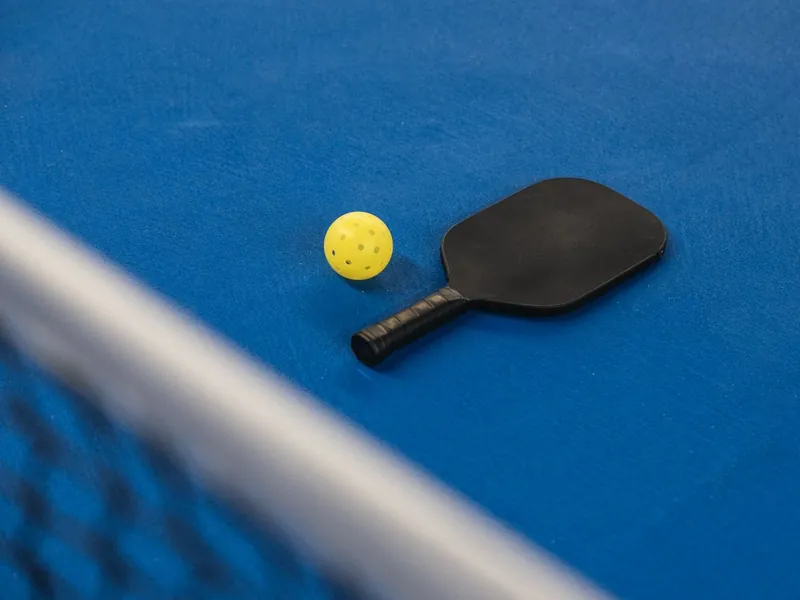
Winter: indoor league practice
Indoor courts keep practice and open play going when the weather turns.
How We Choose Our Court Recommendations
This site is an independent editorial project. We describe the kinds of courts and programs that suit each player. We do not take bookings, sell equipment or speak for any venue.
Each pick is judged against the same criteria, listed below. Details such as hours and prices appear only when they can be confirmed from a public source, and we say so when they cannot.
- Indoor or covered courts, so weather matters less.
- Clear, public information on hours and access, confirmed with the venue before you go.
- Programs that suit both beginners and experienced players.
- Prices are left out unless they have been checked against a public source.
- No ratings, quotes or testimonials are attributed to real people.
Padel vs Pickleball: Which One Fits You?
Padel is played in an enclosed court with walls, usually as doubles, with a solid racket and a pressurized ball. Pickleball is played with a paddle and a perforated plastic ball over a net on a smaller court, and it has a non-volley zone near the net.
If you enjoy quick reflexes and wall play, padel may suit you. If you want an easy first step and a sociable open-play scene, pickleball is often simpler to start. Many players try both before choosing.
Format Comparison
| Format | For whom | Typical equipment | Level | Session length |
|---|---|---|---|---|
| Indoor padel | Players who like wall play and doubles | Padel racket, pressurized balls | Beginner to advanced | Check with the venue |
| Indoor pickleball | Social players and families | Paddle, perforated ball | Beginner to advanced | Check with the venue |
| Clinic or lesson | New players who want structure | Venue or own gear | Beginner to intermediate | Check the schedule |
| Open play | Drop-in players | Own gear | All levels, often separated | Check the schedule |
| Summer camp | Juniors and families | Often included | Beginner focus | Check the camp schedule |
Essential Gear for Indoor Play
Indoor courts usually have fast surfaces, so non-marking court shoes with good grip matter more than any single piece of equipment. Bring water, a towel and a spare grip.
Padel rackets and pickleball paddles differ in shape, weight and surface. The right choice depends on your height, grip size and style, so ask staff or a coach to let you try a few before you buy.
Beginner Tips for Your First Visit
Arrive early, introduce yourself to the staff and ask where beginners usually play. Many venues separate levels during open play, which keeps rallies enjoyable for everyone.
Warm up for about ten minutes, keep your first session short, and check which rules apply on your court before the first serve.
Frequently Asked Questions
- What should I bring to an indoor padel or pickleball court?
- Court shoes with non-marking soles, water, a towel and a spare grip. Check whether rackets or balls are provided.
- Are indoor courts open year-round?
- Many indoor venues run through the year, but hours and availability vary. Confirm the schedule directly with the venue.
- Do I need a membership to play at these courts?
- Not always. Some venues offer drop-in play or single sessions, while others use memberships. Read the access terms on the venue's website.